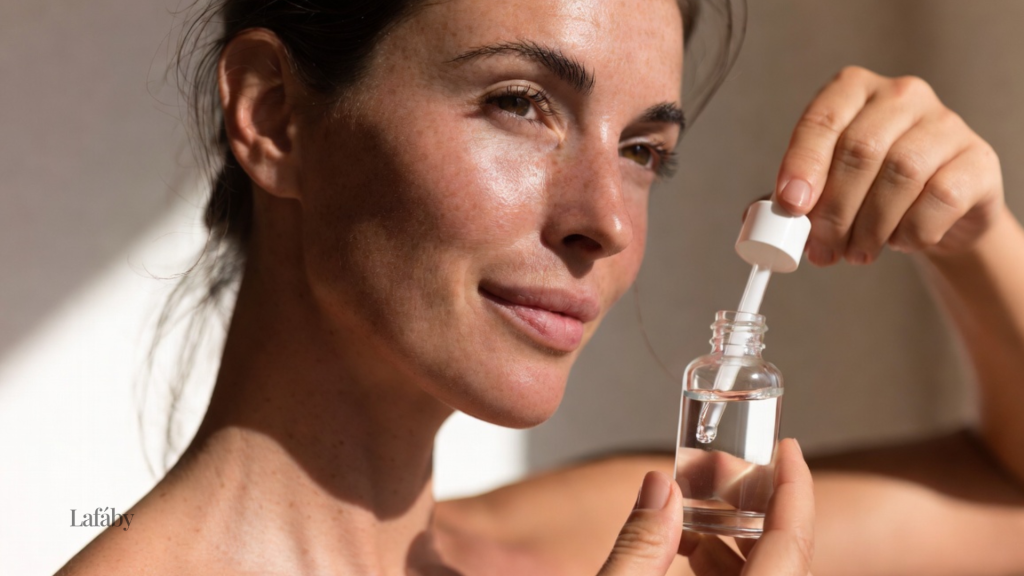
Can You Use Niacinamide with Rosacea? Everything You Need to Know

Yes, you can use niacinamide with rosacea—and it’s often recommended by dermatologists. Niacinamide (vitamin B3) is a gentle, anti-inflammatory ingredient that can help reduce redness, strengthen the skin barrier, and calm irritation without triggering flare-ups. Unlike harsher actives, niacinamide is typically well-tolerated by sensitive, rosacea-prone skin when used at appropriate concentrations (usually 2–5%). This matters […]

Can You Use Niacinamide with Rosacea? Everything You Need to Know Read More »
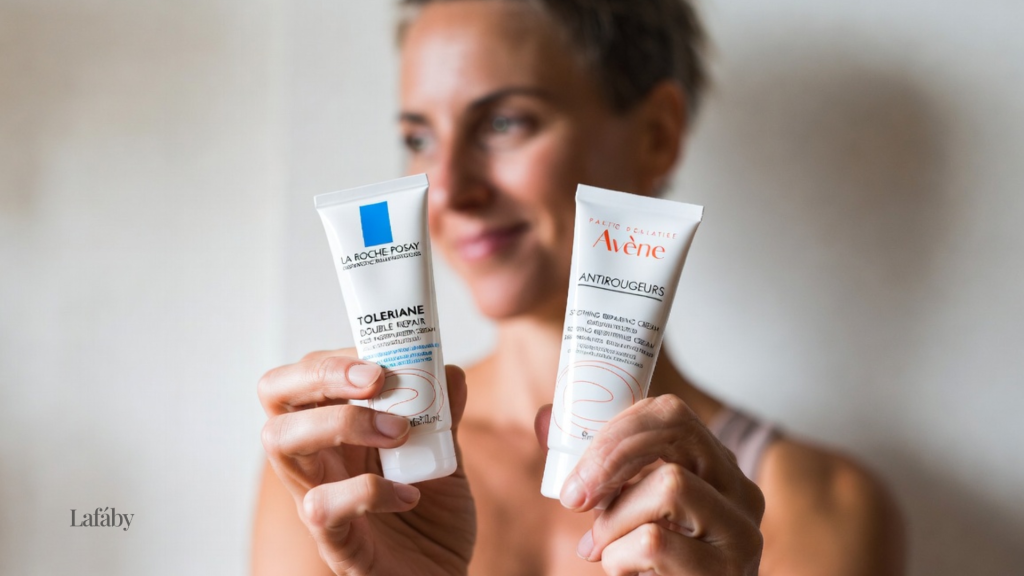
La Roche-Posay Toleriane vs Avène Antirougeurs: Complete Comparison 2026

La Roche-Posay Toleriane and Avène Antirougeurs are both top-tier skincare lines specifically formulated for sensitive, reactive, and redness-prone skin, but they serve slightly different needs. Toleriane focuses on barrier repair and tolerance for ultra-sensitive skin, while Antirougeurs targets visible redness and rosacea with soothing, vascular-calming ingredients. Both lines are dermatologist-tested, fragrance-free, and formulated with thermal

La Roche-Posay Toleriane vs Avène Antirougeurs: Complete Comparison 2026 Read More »

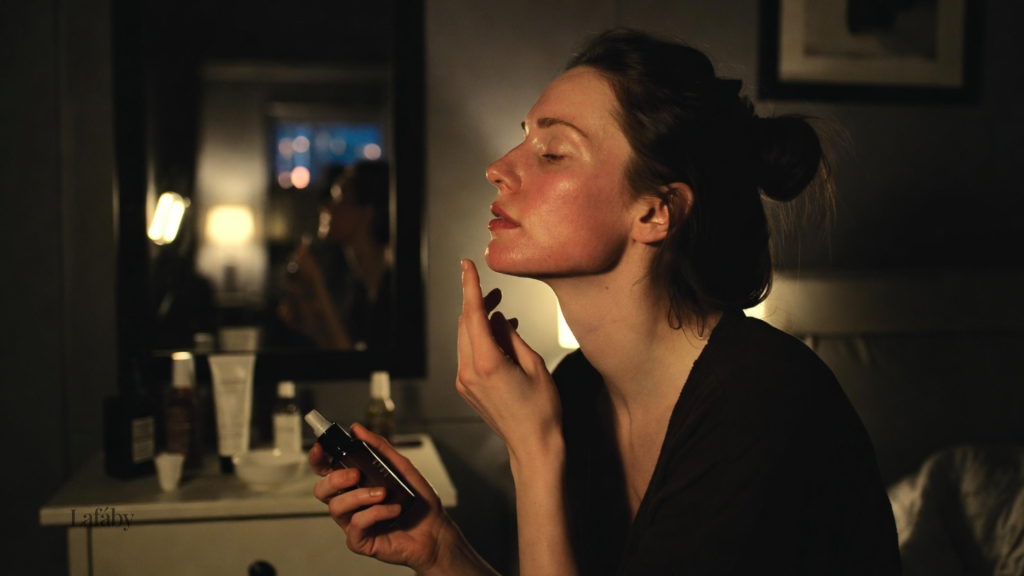
Night Skincare Routine for Rosacea: Step-by-Step Guide

A night skincare routine for rosacea should focus on gentle cleansing, barrier repair, and calming inflammation while avoiding harsh actives and fragrances. The key is to support your skin’s natural healing process overnight when rosacea symptoms like redness, flushing, and sensitivity are most receptive to targeted care. Rosacea affects over 16 million Americans, and nighttime

Night Skincare Routine for Rosacea: Step-by-Step Guide Read More »

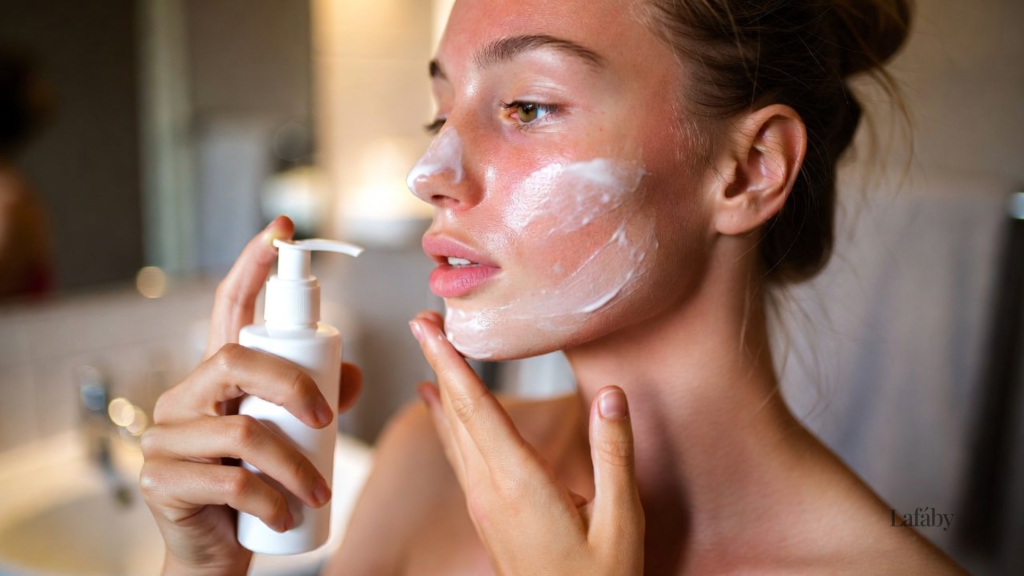
3-Step Morning Skincare Routine for Rosacea (Under $50)

A simple 3-step morning skincare routine for rosacea focuses on gentle cleansing, barrier repair, and broad-spectrum sun protection—all achievable for under $50. The key is choosing fragrance-free, non-irritating formulas that calm inflammation rather than trigger flare-ups. For rosacea-prone skin, less is more: avoid physical exfoliants, harsh actives, and hot water, which can worsen redness and

3-Step Morning Skincare Routine for Rosacea (Under $50) Read More »

How to Tell If You Have Rosacea or Just Sensitive Skin (Self-Test)

Rosacea and sensitive skin share many symptoms—redness, burning, and irritation—but they require different care approaches. Rosacea is a chronic inflammatory skin condition with persistent facial redness, visible blood vessels, and flare-ups triggered by specific factors. Sensitive skin, on the other hand, reacts to products or environmental stressors but doesn’t involve the same inflammatory pathways or

How to Tell If You Have Rosacea or Just Sensitive Skin (Self-Test) Read More »

What Are the Most Effective Calming Face Masks for Sensitive Skin?

The most effective calming face masks for sensitive skin are formulated with soothing ingredients like colloidal oatmeal, allantoin, centella asiatica, and niacinamide—avoiding harsh actives, synthetic fragrances, and irritating preservatives. These masks help reduce redness, strengthen the skin barrier, and provide immediate relief without triggering inflammatory responses. Sensitive skin requires gentle, science-backed formulations that prioritize barrier

What Are the Most Effective Calming Face Masks for Sensitive Skin? Read More »

Which Sensitive Skin Products Have the Best Reviews for Redness Reduction?

The most highly-reviewed products for reducing redness on sensitive skin include La Roche-Posay Cicaplast Baume B5, Avène Antirougeurs Calm Soothing Mask, CeraVe Hydrating Cream-to-Foam Cleanser, Eucerin Redness Relief Night Cream, and Aveeno Ultra-Calming Foaming Cleanser. These dermatologist-recommended formulas combine anti-inflammatory ingredients like niacinamide, azelaic acid, centella asiatica, and colloidal oatmeal to calm irritation and strengthen

Which Sensitive Skin Products Have the Best Reviews for Redness Reduction? Read More »

Best Sunscreen for Rosacea: Dermatologist-Recommended Options for Sensitive Skin

The best sunscreens for rosacea are mineral-based formulas with zinc oxide or titanium dioxide, free from fragrances and irritating chemicals. These physical blockers sit on the skin’s surface, providing broad-spectrum protection without triggering inflammation or flare-ups. For those managing rosacea, sunscreen isn’t optional—it’s the single most important step in preventing symptom worsening, as UV exposure

Best Sunscreen for Rosacea: Dermatologist-Recommended Options for Sensitive Skin Read More »

Where Can I Find Dermatologist-Recommended Sensitive Skin Treatments?

If you have sensitive skin, finding the right treatments can feel overwhelming. The good news: dermatologist-recommended sensitive skin treatments are widely available online through trusted retailers like Amazon, specialty beauty stores, and curated platforms like Lafaby. These products are formulated to soothe irritation, strengthen the skin barrier, and minimize reactions—without harsh ingredients or unnecessary fragrances.

Where Can I Find Dermatologist-Recommended Sensitive Skin Treatments? Read More »

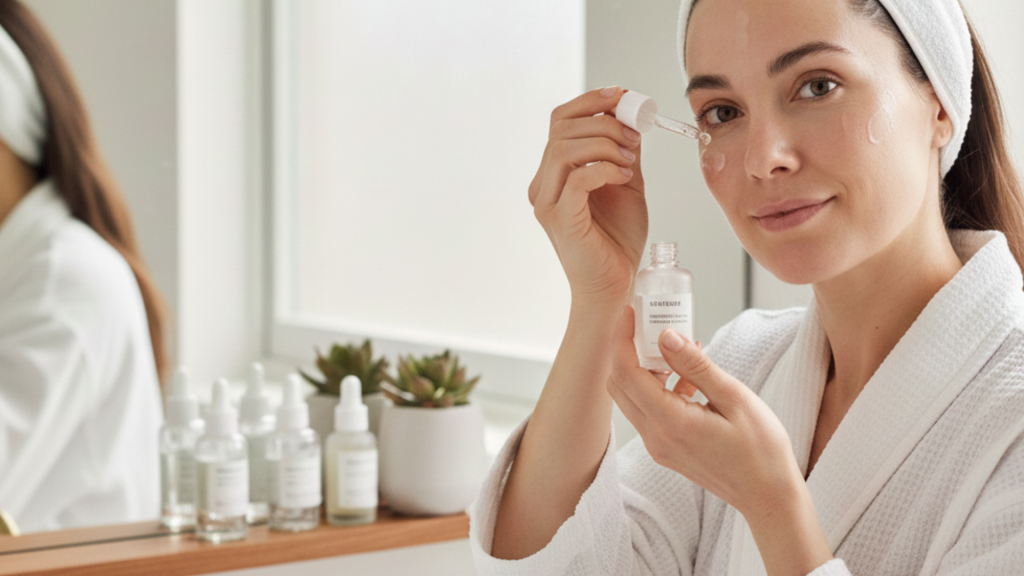
What Are the Best Serums Designed Specifically for Sensitive Skin?

The best serums for sensitive skin are fragrance-free, hypoallergenic formulas with calming ingredients like niacinamide, ceramides, hyaluronic acid, and centella asiatica. Top dermatologist-recommended options include La Roche-Posay Toleriane Ultra Dermallergo Serum, CeraVe Hydrating Hyaluronic Acid Serum, Avène Tolerance Control Soothing Skin Recovery Serum, and Cetaphil Hydrating Hyaluronic Acid Serum—all clinically tested for reactive skin types.

What Are the Best Serums Designed Specifically for Sensitive Skin? Read More »

Shopping Cart